 Loading more...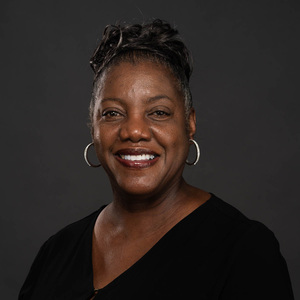
Elaine White Named Executive Officer of The Upper Room
The Upper Room is pleased to announce that Elaine White has been named the organization’s new Read More

Donna K. Whitney | Read Ephesians 5:8-14
In this letter, the writer invokes themes of light and sight, contrasting light not only with darkness but also with sleep and even with death. In the midst of this exhortation to live “as children of light,” the writer seems to make a contradiction. First, the writer says, “Take no...
God of wisdom, help us to know when to speak and when to keep silent. Help us to know the difference between silence born of courage and silence born of fear. Help us to use our speech only for those things that are pleasing to you. Amen.
All four scriptures for this week explore the importance of discernment. The Gospel reading uses images of vision and blindness to engage deeper reflection about ethical and spiritual awareness and the ways in which we are to respond to what we discern. The reading from 1 Samuel illustrates Samuel’s journey into discernment and invites us to consider the degree to which we see ourselves and others as God sees. The Twenty-third Psalm suggests that in our deepest darkness, there remains the possibility of an encounter with God. In Ephesians, the writer uses images of sleep and death as foils for the truth of Christ. Embedded in the epistle is an apparent contradiction that invites discernment regarding silence and speech.
Read John 9:1-41. How do you understand healing as distinct from curing? What practices does your spiritual tradition offer for engaging your own inner capacity for healing and wholeness?
Read 1 Samuel 16:1-13. Who do we as individuals and communities fail to see as God sees them, maybe even failing to see them at all?
Read Psalm 23. Recall a difficult time in which you encountered God in a particularly deep way. How do your inevitable experiences with suffering and evil challenge and/or strengthen your faith?
Read Ephesians 5:8-14. What do you as an individual want to wake up from? What do you want to wake up for?
Respond by posting a prayer.