

It was one of those nights when my mind wasn’t done with the day, but my body was ever so done. My brain wanted a little more time to noodle on the word “beloved.” As my head was nearing the pillow, I saw the word become two words: “Be Loved.” I felt the Holy Spirit whispering to me, “That’s all it is, Caroline. Just let yourself be loved.” I was asleep seconds afterwards, though for weeks I kept pondering this simple whisper — be loved.
As a mother, partner, daughter, sister, former priest, therapist, and citizen of the world, loving everyone else has been the easy part. Loving God and the Holy Spirit has been as natural as was loving my own children when they were smiling babies cooing at me. Loving myself and allowing myself to be loved has been the tricky part and hence the intentional work.
Over the years, the season of Lent has been a tremendous spiritual companion in this work of being loved; a stretch of wilderness days stitched together to discern and hold all the many things that block my capacity to be loved.
Ash Wednesday offers an opportunity to engage Psalm 51 with slow determination: “Create in me a clean heart, O God, and renew a right spirit within me.” The Book of Common Prayer provides an Ash Wednesday liturgy that begins with a prayer including “worthily lamenting our sins and acknowledging our wretchedness.” Later in the service is the “Litany of Penitence” that includes confessing everything — things done or not done, intentional or accidental, known or unknown.
Though Ash Wednesday used to seem to drive more wedges between my scars and God’s love, over time I have come to experience it quite differently. Ash Wednesday now gives me the opportunity to be awake to what I need to talk over with God as I walk the wilderness days of Lent.
I believe God longs to nurture and heal the things that prevent us from fully receiving love — God’s love or anyone else’s. The irony is that the very things that keep us from opening to God’s love tend to be those that most need to feel love. The things we don’t want to face in therapy, struggle to share with a supportive spouse, may even hold back from a best friend, those are the very grist for the most meaningful connection with a loving God. Our most tender scars are the very place God’s love yearns to be.
My hope and prayer for your Lent is that you will take your most vulnerable and tender places to our loving God and let yourself be loved.

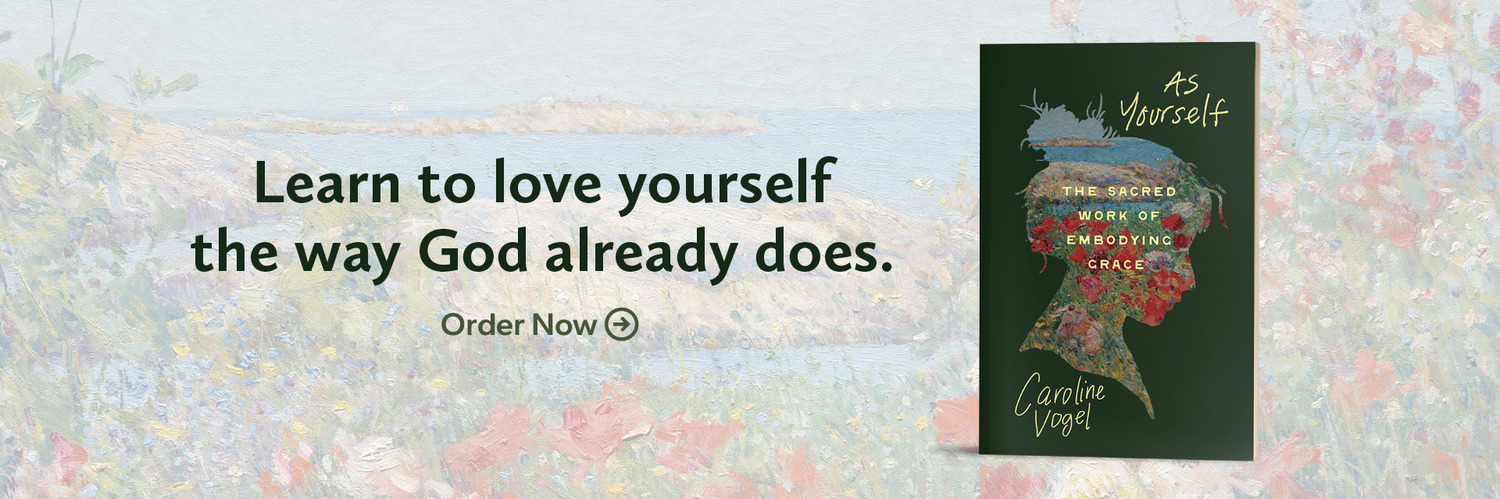
Caroline Vogel is a therapist, spiritual companion, and lover of the Holy Spirit. She is the author of As Yourself: The Sacred Work of Embodying Grace.
This reflection appeared in The Upper Room Journal, a monthly newsletter to support you in creating daily life with God. Subscribe here.
Share your responses with others in the comments below!
 Loading more...