 Loading more...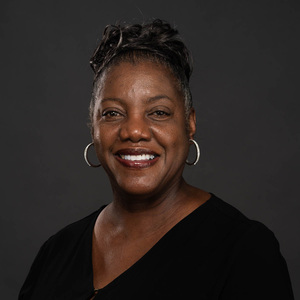
Elaine White Named Executive Officer of The Upper Room
The Upper Room is pleased to announce that Elaine White has been named the organization’s new Read More

Patrick B. Reyes | Read Isaiah 9:1-4
Isaiah was written largely during the exile. It was written during great pain and suffering and is a cry for another way. It is a futurist text—imagining, hoping, exploring what it might feel like to be free.
I connect deeply with part of verse 3: “They rejoice before you as...
To the God of our past and future, accompany us as we celebrate the harvest by honoring your name. Amen.
Certainly, these texts have been placed together in the lectionary to point to Jesus as the central figure in our tradition and text. With the exception of the psalm, the other three texts are typically seen to build on one another. Matthew refers to the Isaiah text. The Isaiah text refers to a future Prince of Peace. Paul’s letter places Jesus above all religious leaders. Together, they point to Jesus as the Messiah. But the texts have more to say to us than merely reflecting on Jesus’ centrality in our tradition. The texts offer another way to think about how to recognize and respond to trauma and suffering. We can see the pain that inspired the writing of each of these texts and resist the urge to solve each instance with the arrival of a savior. We can dwell in the suffering, come to know it, and see what might emerge on our own journey toward healing.
Read Isaiah 9:1-4. How has God’s love freed you to find your calling?
Read Psalm 27:1, 4-9. When have you called out to God? How has God helped you turn your cries to praise?
Read 1 Corinthians 1:10-18. How does your community of faith regard its leaders? How does your community’s regard of its leaders shape the body of believers?
Read Matthew 4:12-23. How have significant changes in your life (like a loved one’s death or a career change) allowed your ministry to grow?
Respond by posting a prayer.